

iGB Op-ed: Zak Thomas-Akoo argues that the gaming sector should brace for pressure as macroeconomic conditions start to deteriorate.
“Now is the winter of our grievances,” muttered Richard III, among his famous warnings about what happens when artful clogs overtake ambition over means. Winter is certainly on the minds of people in the UK who are bracing themselves for the potential triple threat of recession, energy price shocks and general inflation. All of these have a direct impact on the industry.
Supply constraints, fiscal and monetary policy, and energy turmoil have combined to make inflation a global phenomenon, though it is most devastating in the UK. Annual inflation in August reached 8.5% in the US, 8.6% in the Eurozone, just 6.5% in France and 10.1% in the UK.
As a long, hot, and ill-fated summer recedes into the middle distance from Middlesbrough to Downing Street, Britain blasts off the dusty old picture books of 1978 and prepares for a squeeze. The industry had better prepare.
In July, YouGov released a poll showing that 30% of UK bettors would reduce their gambling activity in the face of rising costs of living. What would happen to UK gambling habits if American multinational Citi’s eye-popping 18% prediction was correct? Will the price go up at the end of the year?
The long-awaited gambling law white paper is also due to be released soon as the Tory leadership race enters its final stages. The industry is starting to think aloud about how difficult these affordable checks are.
Of course, safe and responsible gambling is a very important topic essential to ensuring the long-term viability of the sector, but even so short-term adjustments are painful.
flat ground
Britain is no longer a boomtown.
The UK is a mature gaming market with little room for growth and faces continued regulatory uncertainty. So it’s no surprise that many companies have reported stagnant earnings in this environment. Entain’s online revenue from the market fell, but this was offset by the retail reopening, as was Flutter’s, although the retail reopening helped both. A difficult second quarter Kindred also stumbled in the UK market, blaming self-imposed social responsibility measures ahead of the white paper.
Kindred’s board said: “Last year, the UK market was hit by tougher affordability checks imposed by the industry itself.”These measures are expected to continue over the next few quarters. While this will have a net impact on our bottom line, it will ensure a more sustainable customer base.”
The newly merged 888-William Hill entity, with its newly increased exposure to the market, was particularly affected by this trend, reporting a 25% decline in UK revenues. Businesses were likewise stepping up their social responsibility measures in anticipation of UK legislative reform.
888 CEO Itai Pazner said:
“However, we are confident that the positive actions we have taken to enhance player protection and raise player safety standards have put the Group in an even stronger position for the future. ”
At the moment, new markets are driving growth for most global operators For example, the US is a rapidly developing jurisdiction, and new customers and new markets may soften the blow of a general economic downturn. there is. The mature UK market is already saturated and approaching its limits.
DraftKings CEO Jason Robins said in the business’ second quarter financial report:
But growth in new markets doesn’t last forever, and even if there is no decline in places like the US, operators are looking for continued growth to offset declines in mature markets like the UK. You cannot expect rapid growth.
mountain energy gay
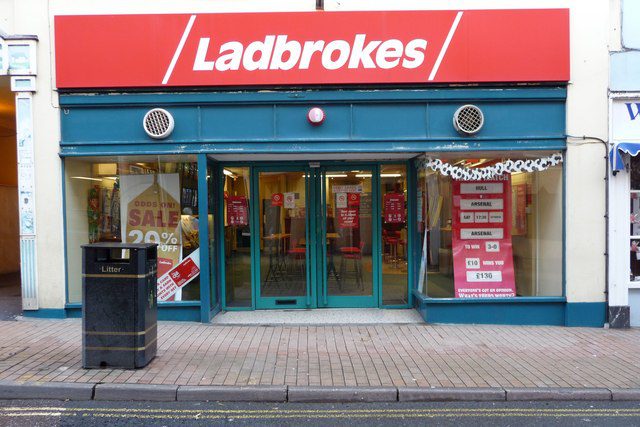
Especially in the UK, land-based gaming and retail gaming face a third specter at the feast to add to the blow to regulatory uncertainty and consumer spending – energy.
Six months into the war in Ukraine and rising energy prices are set to soar this winter. Energy consultancy Auxilione predicts home energy will reach an average of £4000 by his January. While this undoubtedly hurts consumer spending, it’s easy to forget that businesses face the same pressures.
Rank Group CEO John O’Reilly says these costs will have a significant impact on his business.
“Although we have seen improvement in London in recent weeks, trading conditions across the UK are likely to continue to decline in the coming months, with inflationary pressures weighing on consumer discretionary spending and higher costs, particularly in energy prices, pushing profit margins down. It can be stressful and difficult,” he said.
To get an idea of the scale of the rise, energy prices for casino operators have risen from £13m in 2020-21 to £23m over the same period in 2021-22, with will cost a staggering £46m.
Rank is confident it can cover the costs, but not all retailers are as lucky. Faced a 300% increase in claims by comparison, it called on the incoming Prime Minister to intervene. BGC Chairman Michael Duggar warned that the company would be forced to close if it didn’t.
“The cost of simply doing business is rising exponentially,” he said. “If urgent action is not taken soon, continued energy price increases could have devastating effects across the hospitality and leisure sector, including damage to members.
“Casinos are a key pillar of the hospitality and tourism sector in cities and towns across the UK. We are in danger.”
And energy is one topic on which the UK has not faced a parade of horrific disasters like no other. Europe is plagued by energy shortages and soaring prices, especially in certain Central European countries that are particularly dependent on Russian natural gas.
Reason for getting well
But it’s not all dark. The end of the year will also host the first Winter World Cup, a definite boon for sportsbook operators. Moreover, inflation will likely prove to be relatively temporary and experience the legendary “soft landing” central banks are aiming for.
Still, maybe that’s not the right way to think. Hope can be a kind of poison in itself. And I don’t want to be in the sullen position of Brian Stimpson of Clockwise’s John Cleese.
“It’s not despair, Laura. I can take despair. It’s hope I can’t stand.”


