Build a Better Lobby Mix for LTV (HOTDOG GAMING)

Operators don’t grow LTV by chasing highlight wins. They grow it by managing player emotion across the average session. This HOTDOG GAMING breakdown shows how volatility curves shape retention, bet behavior, and lifetime value—especially in Southeast Asia.

Volatility isn’t a “nice-to-have” label. It’s HOTDOG GAMING pacing system behind player emotion — how quickly a session feels rewarding, how long patience lasts, and how often players come back.

That’s why the core message in this HOTDOG GAMING creative is simple and correct:

Balanced volatility = longer sessions + happier players.

Operators who treat volatility as portfolio strategy—not trivia—usually see cleaner retention and more predictable LTV.

HOTDOG GAMING Insight: Volatility shapes LTV through session pacing.

HOTDOG GAMING: Why volatility is an LTV lever

Big jackpots are useful for attention. They’re not a retention plan.

LTV is built in the normal sessions:

  • whether players feel progress often enough to stay engaged
  • whether losses feel “part of the ride” or like punishment
  • whether the session ends with “one more spin” or “I’m done”

Volatility sets that rhythm. And the rhythm sets LTV.

The three curves

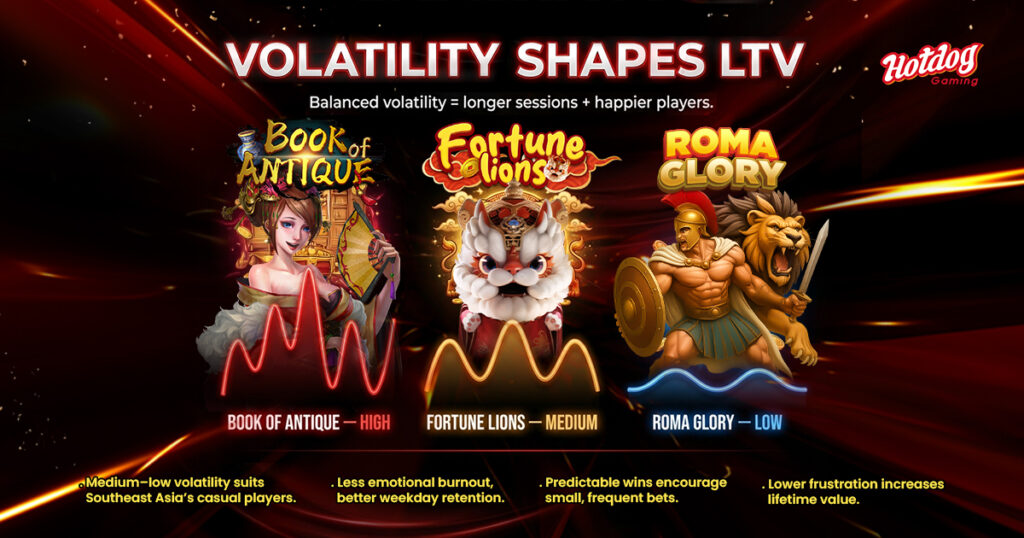
The banner maps three volatility profiles to three player experiences:

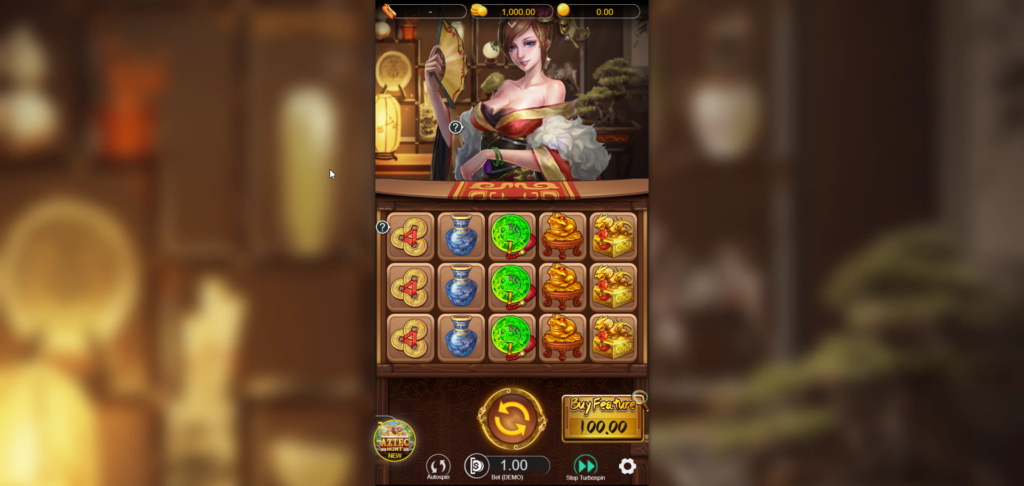
High Volatility — Book of Antique
Big swings, longer dry spells, and occasional explosive wins. Built for thrill-driven sessions.
High Volatility — Book of Antique Big swings, longer dry spells, and occasional explosive wins. Built for thrill-driven sessions.

1) High Volatility: Book of Antique (High)

High volatility is long quiet stretches with occasional spikes.

  • Strong for: thrill-seekers, high stakes, campaign bursts
  • Trade-off: higher emotional fatigue for casual players
  • LTV effect: can lift short-term peaks, but retention drops fast if it dominates the mix

Use it deliberately. High volatility works best as a “feature,” not the default diet.

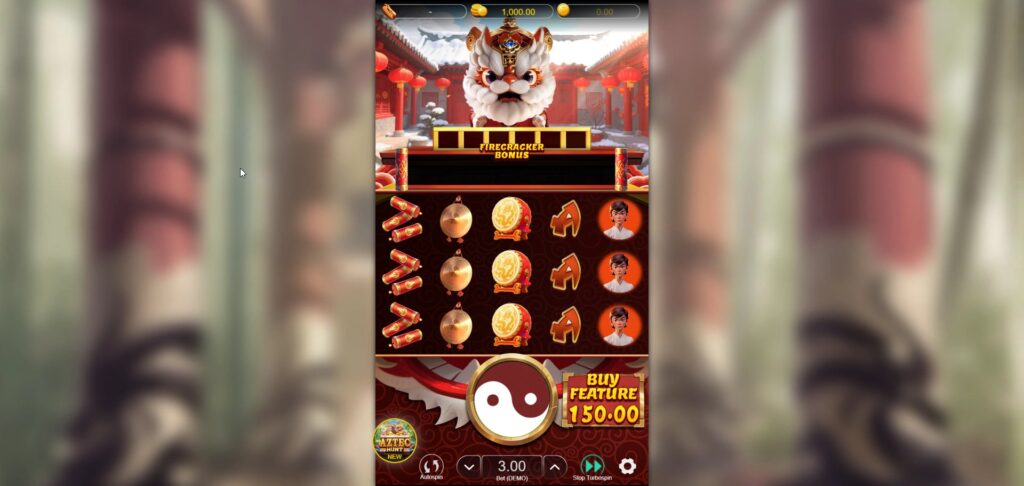
Medium Volatility — Fortune Lions
Balanced pacing with steady momentum. The reliable curve for weekday retention and broad player appeal.
Medium Volatility — Fortune Lions Balanced pacing with steady momentum. The reliable curve for weekday retention and broad player appeal.

2) Medium Volatility: Fortune Lions (Medium)

Medium volatility is the reliable middle lane.

  • Strong for: broad segments, weekday play, steady engagement
  • Benefit: less emotional burnout, better repeat sessions
  • LTV effect: often the best base layer because it supports consistent session time

This is typically where sustainable revenue sits—players don’t feel dragged, and they still feel surprise.

Low Volatility — Roma Glory
Frequent smaller hits and predictable feedback. Lower frustration, longer playtime, stronger long-term LTV.
Low Volatility — Roma Glory Frequent smaller hits and predictable feedback. Lower frustration, longer playtime, stronger long-term LTV.

3) Low Volatility: Roma Glory (Low)

Low volatility is predictable feedback and frequent smaller wins.

  • Strong for: casual players, smaller bankrolls, new users
  • Benefit: encourages smaller but more frequent bets
  • LTV effect: lower frustration → higher return rate → higher lifetime value over time

Low volatility isn’t “weak.” It’s what keeps players in the habit loop.

Why this lands in Southeast Asia

In Southeast Asia, a large share of slot traffic is casual and mobile-led. Sessions are often shorter and more frequent, with players returning based on how the last session felt.

That’s why your original point matters:

  • Medium-to-low volatility matches Southeast Asia’s casual player culture.
  • Reduces emotional burnout, helping retention across weekdays.
  • Predictable win patterns encourage smaller but more frequent bets.
  • Lower frustration → higher lifetime value.

If your lobby leans too hard into high volatility, you’ll see it: shorter sessions, sharper churn, and players only showing up when promos force them to.

How operators should apply this

This is the part many teams skip: turning “volatility insight” into a usable setup.

1) Treat your lobby like a volatility ladder

  • Start players with low volatility to reduce early churn
  • Anchor retention with medium volatility
  • Use high volatility for peaks, promos, and high-intent segments

That ladder keeps players progressing instead of burning out.

2) Match volatility to the calendar

Weekday behavior is different from weekend behavior. Your mix should reflect that.

  • Weekdays: medium/low titles carry session time and repeat play
  • Weekends/campaign windows: add more high volatility for spikes

3) Don’t judge “best games” by GGR alone

High volatility can look great in a short window because it creates revenue spikes. Spikes can hide churn.

If you want the real picture, track:

  • D1/D7 return rate
  • average session length
  • bet frequency
  • drop-offs after losing sessions
  • re-engagement after a cold streak

A game that prints GGR but kills repeat sessions isn’t a hero. It’s a churn driver.

Latest HOTDOG GAMING Game Intro:
What Makes HOTDOG GAMING’s Aztec Hunt a Strong High-Volatility Performer
AZTEC HUNT — NEW GAME RELEASED
TGC777 — A New Wave of Fun Arrives in Taiwan

Contact Us:
https://t.me/mandy_xypher

Leave a Reply

Your email address will not be published. Required fields are marked *